Professional Mold Remediation & Inspection in Iowa City, IA
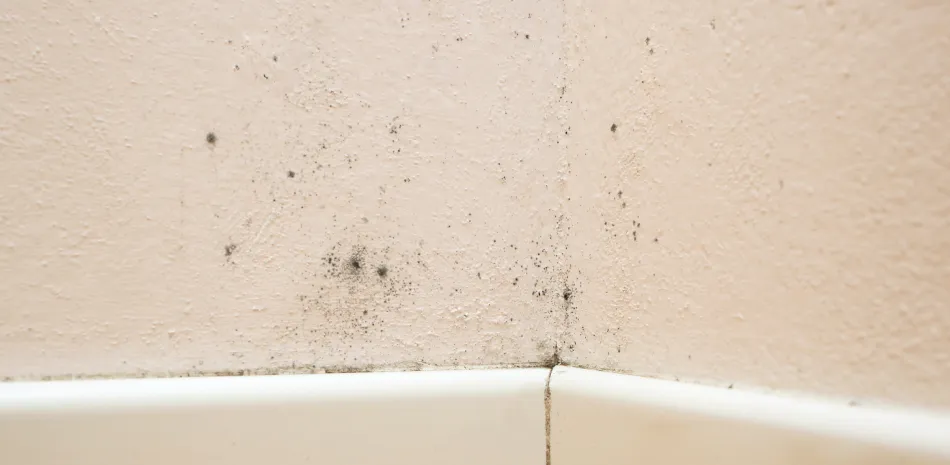
Smelling a persistent musty odor or noticing dark spots on your walls? Mold spores proliferate rapidly in high-humidity environments, colonizing organic building materials within 24 to 48 hours of water exposure. Left unaddressed, toxic mold destroys drywall, rots structural wood framing, and severely compromises indoor air quality. At United Water Restoration Group of Iowa City, our IICRC-certified mold removal specialists provide safe, comprehensive, and science-backed mold remediation. We isolate contaminated zones, safely extract active mold growth, filter airborne spores using commercial HEPA systems, and correct the underlying moisture sources to prevent future recurrence.
⚠️ SUSPECT MOLD GROWTH IN YOUR PROPERTY? DON’T SPREAD SPORES BY SCRUBBING.
Call our certified Iowa City mold specialists today at (319) 304-3500 for a comprehensive moisture & mold inspection!
Addressing Hidden Mold Hazards Across Johnson County & Surrounding Communities
Mold spores are naturally occurring airborne particles, but when indoor humidity surges above 50%, or when hidden plumbing leaks saturate building materials, spores anchor into surfaces and grow into expanding colonies. Mold often develops silently inside wall cavities, under subfloors, beneath bathroom tiles, and within unventilated attics or crawl spaces. Many property owners in Iowa City, Coralville, North Liberty, Fairfield, and Johnson County are unaware of active infestations until visible staining appears or indoor air quality noticeably degrades.
- Low Humidity (<50% RH) –> Mold Spores Remain Dormant
- Water Exposure (24-48h) –> Spores Germinate & Anchor into Drywall/Wood
- Colony Expansion (3-5d) –> Active Spore Release, Structural Decay & Toxic Air Quality
If mold growth is ignored or improperly cleaned with retail products like bleach (which only alters surface color without killing root structures), secondary destruction accelerates:
- Structural Deterioration: Mold digests organic cellulose found in drywall, ceiling tiles, wood studs, and carpet backing.
- Cross-Contamination: Running HVAC units without containment circulates millions of active spores into unaffected living spaces.
- Persistent Musty Odors: Microbial Volatile Organic Compounds (mVOCs) released by active colonies create lingering, unpleasant odors.
- Property Value Loss: Unaddressed mold infestations cause severe real estate inspection failures and complicated insurance handling.
Our mold remediation services interrupt this cycle safely. We isolate the work area, establish negative air pressure, and safely remove contaminated materials without contaminating the rest of your home or business.
Our Certified 5-Step Mold Remediation Process
Effective mold removal requires strict adherence to ANSI/IICRC S520 industry standards. We follow a controlled 5-step mitigation protocol:
- Advanced Moisture Inspection & Thermal Mapping: Locating Dampness & Active Growth. Using non-invasive thermal imaging FLIR cameras and pinless moisture meters, we track down hidden dampness behind drywall, inside ceiling cavities, and within foundation walls to pinpoint the exact moisture source fueling the mold.
- Negative Air Pressure & Plastic Containment Setup: Isolating the Work Zone. Before disturbing any affected materials, we erect heavy-duty 6-mil poly containment barriers over doorways and vents. High-powered air scrubbers create negative air pressure inside the work zone, ensuring spores cannot escape into clean rooms.
- Industrial HEPA Air Filtration: Clearing Airborne Spores. Commercial-grade air scrubbers equipped with TRUE HEPA filters continuously cycle and scrub the air inside the containment zone, capturing airborne mold spores, dust, and micro-particulates down to 0.3 microns with 99.97% efficiency.
- Targeted Material Removal & Surface Cleaning: Safe Removal & Remediation. Unsalvageable porous materials (like heavily contaminated drywall or insulation) are carefully double-bagged and removed. Non-porous and semi-porous surfaces undergo HEPA vacuuming, wire brushing, and deep cleaning with EPA-registered antimicrobial solutions.
- Encapsulation & Post-Remediation Testing: Long-Term Prevention. We apply clear, mold-resistant antimicrobial coatings (encapsulants) to exposed framing timber to seal the wood and prevent future spore germination. We then perform a thorough final inspection to confirm successful remediation.
Common Causes of Mold Growth in Eastern Iowa Properties
Mold requires three elements to thrive: oxygen, organic food sources, and moisture. Addressing the root cause of water intrusion is essential to stopping recurring growth:
- Unresolved Water Damage & Leaks: Pinhole pipe leaks inside wall cavities or slow drain leaks under kitchen sinks create ideal conditions for hidden mold.
- High Basement & Crawl Space Humidity: Eastern Iowa’s humid summers introduce heavy moisture into unsealed basements and earth-floor crawl spaces, saturating floor joists.
- Roof & Exterior Wall Intrusion: Storm damage, compromised roof shingles, or failing window seals allow rainwater to seep into attic insulation and wall assemblies.
- Poor Mechanical Ventilation: Inadequate bathroom exhaust fans or improper clothes dryer venting trap high humidity indoors, accelerating ceiling and wall surface mold.
| Feature / Protocol | United Water Restoration Group | Standard Handyman / DIY Scrubbing |
|---|---|---|
| Certifications | IICRC-Certified Mold Removal Specialists | Uncertified General Contractor |
| Containment Protocol | Negative Air Pressure & Sealed Poly Barriers | No Containment (Spreads Spores to Whole House) |
| Air Filtration | Industrial HEPA Air Scrubbers (99.97% Efficiency) | Standard Household Fans or Shop-Vacs |
| Moisture Source Finding | Thermal Imaging FLIR Cameras & Pinless Meters | Surface Visual Check Only |
| Surface Treatment | EPA-Registered Antimicrobials & Encapsulation | Household Bleach (Water Content Promotes Regrowth) |